

Blog
Composite Panels vs Timber Cladding

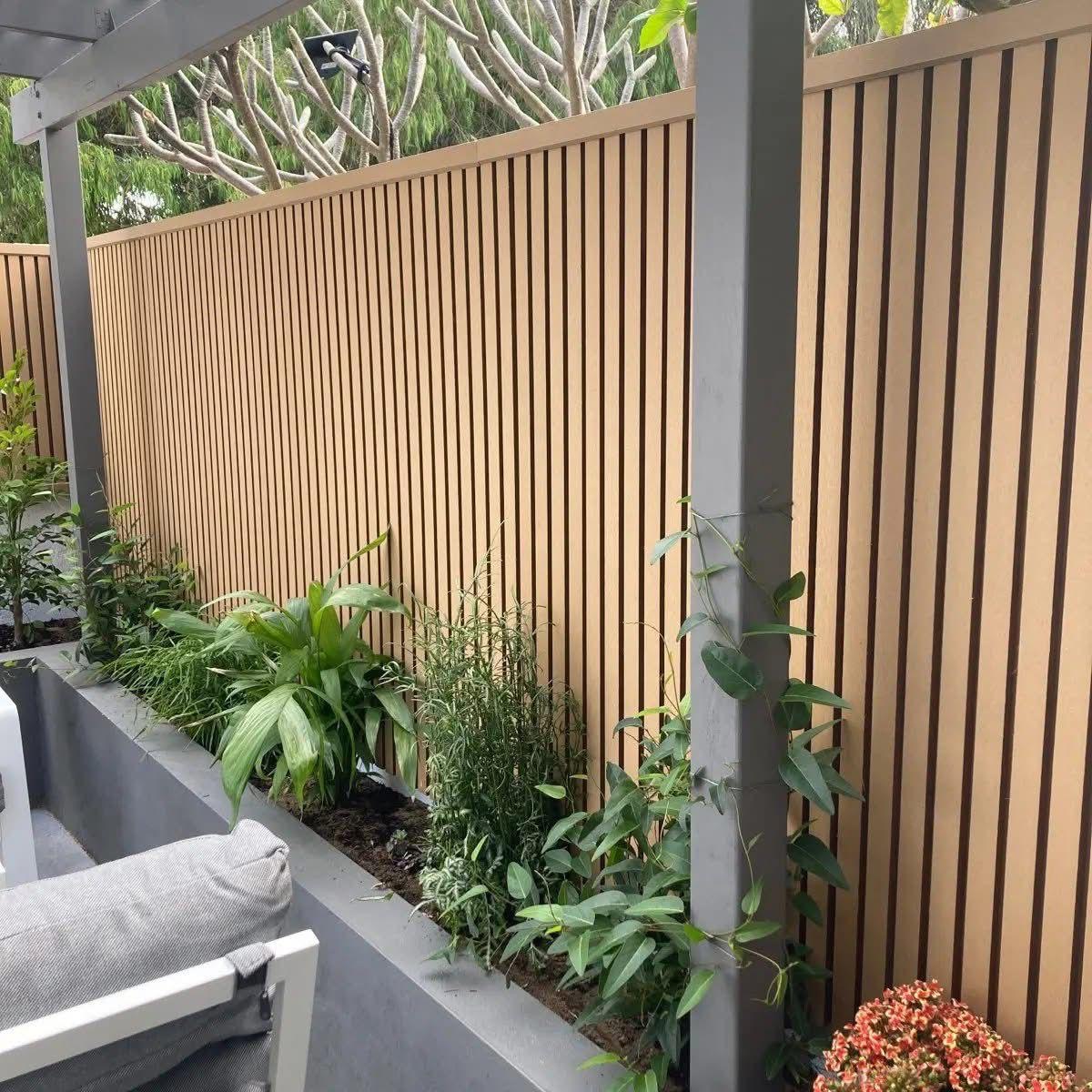
One exterior choice can change how a project feels for years. When clients ask about composite panels vs timber cladding, they are rarely choosing between two looks alone. They are choosing between two maintenance stories, two aging patterns, and two very different expectations for how a facade should perform in real life.
For homeowners, designers, and contractors, this decision usually comes down to a simple question: do you want the character of natural timber, or the cleaner predictability of a modern material designed to hold its finish with less effort? Both can create beautiful results. The right answer depends on the setting, the design intent, and how much ongoing care makes sense once the project is complete.
Composite panels vs timber cladding: the visual difference
Timber cladding has an authenticity that is hard to imitate completely. Natural grain variation, tonal shifts, and the organic warmth of real wood bring a sense of depth that many architects and homeowners still find unmatched. On high-end homes, boutique hospitality spaces, and projects where material honesty matters, timber can feel rich, grounded, and unmistakably premium.
Composite panels approach that same warmth from a different angle. Instead of relying on raw timber, they are designed to deliver a wood-inspired appearance with a more controlled finish. The surface tends to be more consistent in color and grain, which appeals to projects with a sharper contemporary language. If the goal is a refined facade with clean lines and fewer visual surprises from board to board, composite often fits more naturally.
This is where design preference matters. Some clients love the individuality of natural wood, including the small imperfections that make it feel alive. Others want a polished, architectural result that stays visually stable over time. Neither is wrong. They simply create different moods.
Performance in weather and daily wear
Exterior materials are judged slowly. They may look equally impressive on installation day, but the real test comes after months of sun, rain, dust, and seasonal change.
Timber cladding can perform well when specified correctly and maintained with discipline. Certain timber species are naturally more durable than others, and proper sealing, detailing, and installation all make a major difference. But timber remains a natural material. It can absorb moisture, move with humidity, fade under UV exposure, and become vulnerable to splitting, warping, or surface deterioration if neglected.
Composite panels are engineered with weather resistance in mind. That makes them especially appealing in exposed environments or on projects where long-term consistency matters. They are less prone to the common movement and degradation issues associated with traditional timber, and they generally offer better resistance to rot, moisture, and insects. For many modern builds, that reduced vulnerability is a practical advantage as much as a visual one.
In coastal regions, high-rainfall areas, and strong-sun climates, this difference becomes even more relevant. A material that asks less from the owner over time can protect not only the finish, but the overall value of the installation.
Maintenance is often the deciding factor
If you love timber, you need to love caring for it too.
That does not mean timber is impractical. It means it comes with a maintenance relationship. To preserve its appearance and performance, timber cladding usually needs regular inspection, cleaning, resealing, staining, or oiling depending on the species and finish used. If that upkeep happens on schedule, timber can remain beautiful. If it is delayed, weathering starts to write its own design story.
Composite panels are popular largely because they remove much of that pressure. They are built for low-maintenance living, which suits busy homeowners, hospitality operators, commercial property teams, and anyone managing multiple sites. In most cases, cleaning is straightforward, and there is no ongoing cycle of sanding, staining, or sealing to preserve the surface appearance.
For design professionals, that maintenance gap matters. A stunning handover means less if the facade looks tired two years later because the owner underestimated the upkeep. Premium design is not only about the first impression. It is also about how well a space holds its presence with everyday use.
Cost now versus cost over time
The price conversation is rarely as simple as material A being cheaper than material B.
Timber cladding costs vary widely depending on the species, grade, treatment, and finishing system. Some timber options may look competitive at the start, especially before long-term maintenance is factored in. But over the life of the project, those extra costs can add up through refinishing, repairs, labor, and product reapplication.
Composite panels may carry a higher upfront cost in some cases, particularly when you are choosing premium finishes. Even so, many clients find the overall value stronger because the maintenance burden is far lower. That changes the total cost picture. Over several years, a product that keeps its appearance with less intervention can be the more economical choice.
For commercial spaces, this matters even more. Ongoing maintenance is not only a budget issue. It is a disruption issue. If a restaurant exterior, hotel feature wall, or office facade needs regular treatment, that creates planning, downtime, and operational inconvenience. A low-maintenance surface can protect both the design and the business running behind it.
Installation and project efficiency
Speed and simplicity matter on site, especially when timelines are tight and labor costs are under pressure.
Timber cladding can be rewarding to install, but it often demands greater care around acclimatization, sealing, spacing, and future movement. Skilled installation is essential, and the finishing process may add time before the project is truly complete. In bespoke architectural applications, that level of craftsmanship can be part of the appeal. It allows for a highly tailored result.
Composite systems are often favored for their cleaner, more streamlined installation process. Many are designed as coordinated systems with matching trims, corner details, and edge solutions, which can help create a more resolved finish while reducing guesswork on site. For contractors and renovators, that can mean fewer delays and a more predictable outcome.
This is one of the reasons product-led brands such as Inspiration Wood resonate with both homeowners and trade professionals. The appeal is not only in the surface itself, but in the fact that the whole system is designed to make premium finishes more achievable.
Which works better for modern design?
Both materials can work beautifully in contemporary architecture, but they do so in different ways.
Timber brings softness and natural richness. It pairs especially well with stone, concrete, glass, and muted landscaping, where the intention is to introduce warmth and contrast. It can make modern buildings feel more tactile and less severe.
Composite panels tend to suit projects that prioritize crisp detailing, consistency, and longevity of appearance. They are often a strong fit for clean-lined residential exteriors, hospitality venues, retail facades, and outdoor feature walls where a wood look is desired without the variability and upkeep of natural boards.
If your design brief is centered on authenticity and evolving natural character, timber may still be the preferred material. If the brief is centered on premium impact with easier ownership, composite usually has the edge.
How to choose between composite panels vs timber cladding
The best specification starts with honest priorities, not romantic ones.
Choose timber cladding if the project calls for genuine natural materiality, the client understands the maintenance commitment, and weathering over time is either acceptable or part of the intended look. Timber is often the right choice when craftsmanship and organic individuality are central to the design story.
Choose composite panels if you want a wood-inspired finish with greater durability, lower maintenance, and a more controlled long-term appearance. They are particularly well suited to clients who want exterior warmth without the ongoing workload that traditional timber can bring.
There is also a middle ground in the way people think about value. A luxury finish is not only defined by how rare or natural a material is. It is also defined by how well it supports the life around it. A beautiful exterior that remains polished with minimal effort can be every bit as premium as one made from raw timber.
The strongest projects are not built around trends. They are built around fit. When the material suits the climate, the architecture, and the way the space will actually be lived in, the result feels effortless long after installation day.