

Blog
Outdoor Composite Wall Cladding Explained

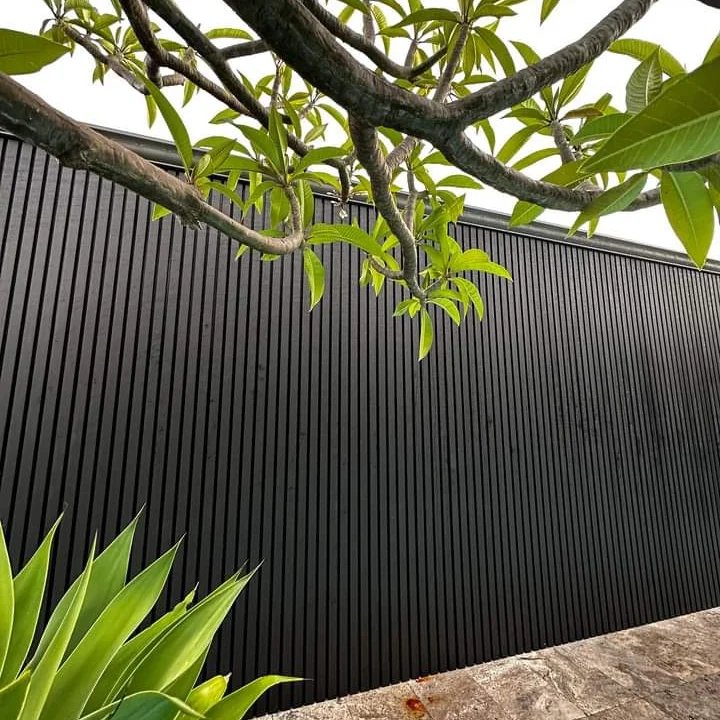
The difference between a forgettable exterior and one that feels considered often comes down to the surface. When a facade has warmth, clean lines, and a finish that still looks refined after years of sun and rain, it changes how the entire property is perceived. That is exactly why outdoor composite wall cladding has become such a strong choice for homeowners, designers, and commercial specifiers who want the look of timber without the constant upkeep that timber usually demands.
For modern homes, hospitality spaces, office entrances, and feature walls, the appeal is easy to understand. You get the natural visual rhythm of wood-inspired boards, but with a material engineered for outdoor performance. It is a design decision that feels elevated on day one and practical long after installation.
What outdoor composite wall cladding actually offers
At its best, outdoor composite wall cladding brings together three priorities that do not always sit comfortably together in one product: appearance, durability, and ease. Traditional timber can deliver visual warmth, but it often needs sealing, staining, and close attention over time. Plain masonry and plaster may be durable, yet they can lack texture and character. Composite cladding sits in the middle in a way that suits current architecture particularly well.
The finish is one of the biggest reasons it stands out. Composite boards are designed to echo the richness of wood grain and the clean geometry of contemporary paneling. That makes them suitable for everything from minimalist residential exteriors to retail fronts and hospitality facades that need to feel polished and welcoming.
Then there is the maintenance factor. For many property owners, the real luxury is not just how a wall looks, but how little effort it takes to keep it looking that way. Composite cladding is favored because it is generally resistant to weathering, moisture exposure, fading, and the cycle of repainting or refinishing that can turn exterior upkeep into an annual project.
Why it suits modern exterior design
Exterior design has shifted. Clients still want warmth and natural texture, but they also expect sharper detailing, longer-lasting materials, and fewer maintenance demands. Outdoor composite wall cladding answers that shift neatly because it helps create facades that feel architectural rather than merely decorative.
Used across a full elevation, it can soften hard modern forms and add depth to a building envelope. Used more selectively, it can define an entryway, frame a patio, or turn a plain boundary wall into a feature. That flexibility matters. Not every project needs a full cladding treatment. Sometimes the most effective result comes from contrast – composite boards paired with render, stone, glass, or black metal detailing.
This is also where commercial value comes in. For restaurants, hotels, offices, and storefronts, exterior finishes do more than protect the building. They communicate brand quality before a customer has even stepped inside. A weather-resistant wood-look facade gives that first impression a more curated, premium feel.
Outdoor composite wall cladding vs traditional timber
This comparison is where many buying decisions are made. Timber remains beautiful, and for some projects its authenticity is the point. But beauty comes with obligations. Exposure to sun, rain, and changing temperatures can lead to fading, swelling, splitting, or surface wear, depending on the species and the level of maintenance.
Composite cladding is attractive because it reduces that maintenance burden significantly. You are not choosing it because you want a compromise. You are choosing it because you want a finish that captures the warmth of wood while behaving in a more stable, predictable way outdoors.
That said, the right choice depends on the project. If someone wants a material that will weather naturally and is comfortable with regular maintenance, timber may still make sense. If the priority is long-term visual consistency, easier care, and a cleaner ownership experience, composite is often the better fit.
Cost should also be viewed properly. Initial pricing is only one part of the picture. Over time, labor, coatings, repairs, and refinishing can make timber more demanding than it first appears. Composite cladding often becomes more compelling when the full lifecycle is considered.
Where composite cladding works best
One reason this category has grown so quickly is that it is not limited to one architectural style. On a contemporary home, it can bring warmth to boxy volumes and create stronger indoor-outdoor continuity. On a renovation, it can modernize an aging exterior without needing a complete rebuild. On a commercial project, it can add texture and sophistication to elevations that would otherwise feel flat or purely functional.
Entry features are especially effective. A cladded entrance immediately creates a sense of arrival. Garden walls and privacy screens are another natural application because they add structure and visual refinement to outdoor living areas. In hospitality settings, outdoor composite wall cladding can shape courtyards, terrace walls, and facade sections that need to look inviting while handling frequent exposure and daily wear.
The product also works well when a project needs controlled consistency. Designers often want repeatable finishes across multiple sites or areas of a development. Composite solutions are useful here because the tones, profiles, and trims are easier to standardize than natural timber, which can vary more noticeably board to board.
What to look for before you buy
Not all cladding is equal, and premium exterior results depend on more than just picking a color you like. The profile, finish quality, accessory system, and installation method all affect the final look.
Start with the visual goal. Some boards read closer to natural timber, with visible grain movement and softer variation. Others lean more contemporary, with cleaner, more uniform surfaces. Neither is wrong, but each creates a different architectural mood.
Then consider the supporting components. Trim pieces, corner edges, and end details matter more than many buyers expect. A beautiful board can lose impact if the edges and transitions feel unresolved. Good exterior design relies on crisp finishing, especially in visible zones such as corners, window surrounds, and parapet lines.
You also want clarity on outdoor suitability. A product made for exterior use should be designed to handle weather exposure and should come with installation guidance that supports long-term performance. In warmer climates and high-sun conditions, UV behavior and color stability deserve particular attention.
Installation and planning considerations
Even the most premium board will only perform as well as the system behind it. Substructure, spacing, airflow, and fastening all matter. Exterior cladding should never be approached as a purely decorative skin with no attention paid to movement, moisture management, or alignment.
For residential projects, planning usually begins with the surface being covered and the look you want to achieve – vertical lines for height, horizontal lines for width, or feature sections that break up larger walls. For trade professionals, the practical questions come next: what substrate is being fixed to, how corners will be resolved, and how trims will create a neat finish.
This is where specialist product ranges make a difference. When boards, trims, corners, and finishing pieces are designed to work together, installation tends to be cleaner and the final result more convincing. It also makes specification easier for architects, contractors, and shopfitters who need consistency across projects.
The maintenance advantage people care about most
Most buyers say they want low maintenance, but what they usually mean is they do not want the exterior to become another ongoing responsibility. They want the aesthetic value of wood-inspired design without adding sanding, staining, sealing, or repainting to the calendar.
That practical ease is one of the strongest arguments for outdoor composite wall cladding. Routine cleaning is generally simple, and the finish is made to handle outdoor conditions with far less intervention than natural wood. For busy homeowners, that protects both the appearance of the property and the time they would rather spend enjoying it.
For commercial spaces, low maintenance has an even clearer financial benefit. Less upkeep means fewer interruptions, lower long-term service demands, and a facade that continues to support the brand image without constant corrective work.
Choosing a finish that still feels relevant years later
Trend-driven exteriors can age quickly. The smartest approach is to choose tones and profiles that feel current but not temporary. Wood-inspired neutrals, charcoal accents, and clean linear formats tend to have stronger staying power than overly dramatic finishes that may feel dated after a short cycle.
That is why many premium projects use composite cladding as part of a restrained palette rather than the entire visual story. When balanced with stone, concrete, metal, or crisp painted surfaces, it delivers warmth and texture without overwhelming the architecture. The effect is sophisticated, modern, and easier to live with over time.
For clients who want design confidence with practical performance, that balance is the real appeal. Inspiration Wood speaks to this shift well: exterior surfaces are no longer just protective layers, but part of how a property expresses quality, taste, and everyday ease.
A well-finished exterior should do more than survive the elements. It should make the building feel more resolved, more inviting, and more valuable every time you pull into the driveway or welcome someone to the door.